



PRESERVING
YOUR NATURAL TOOTH
At KARIN DENTAL CLINIC, We Believe
Every Natural Tooth Is Worth Preserving
What Is Root Canal Treatment?
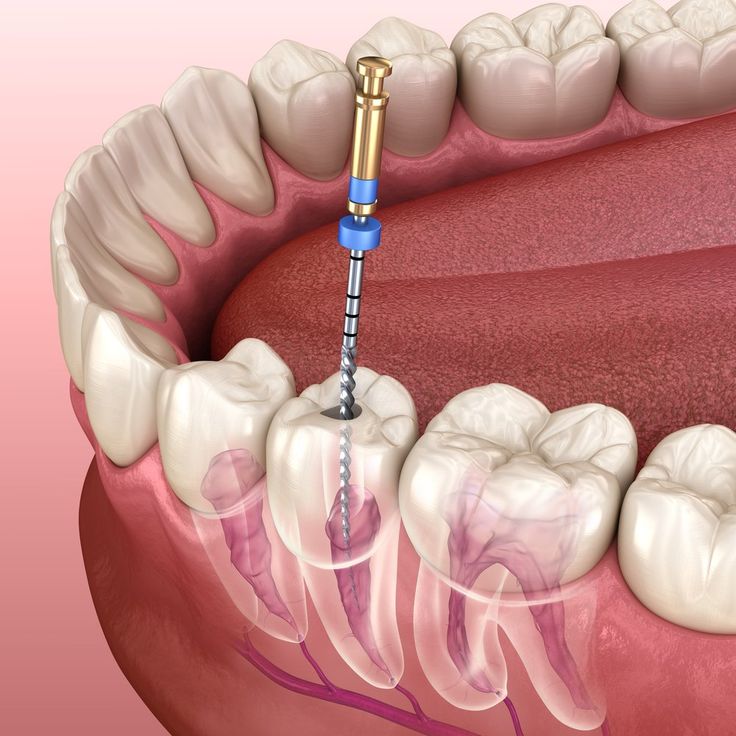
Root canal treatment is a procedure used to treat severe inflammation or infection inside the tooth, particularly in the dental pulp and root canals. Its purpose is to preserve the natural tooth, helping avoid extraction and the need for a replacement tooth.
6 Problems Root Canal Treatment Can Address
- Severe or Recurring Toothache
- Severe or Prolonged Tooth Sensitivity
- Persistent Bad Breath Despite Proper Oral Hygiene
- A Tooth That Has Become Darker or Discoloured
- A Loose Tooth or Pain When Biting Down
- Swollen or Painful Gums, or a Pus-Filled Bump
Relieve Severe Tooth Pain Safely
with Root Canal Treatment
Severe tooth pain is often caused by infection or inflammation inside the dental pulp. Without timely treatment, the condition may worsen and eventually require tooth extraction. Root canal treatment helps eliminate the infection while preserving the natural tooth, allowing you to use it comfortably and confidently again.
- Relieves persistent tooth pain while preserving the natural tooth
- Prevents the infection from spreading to the gums and jawbone
- Extends the life of the natural tooth, helping avoid extraction and replacement
- Restores comfortable chewing without pain while eating
- Reduces bad breath caused by infection inside the tooth
- Restores confidence when smiling and speaking
- Provides long-term cost savings compared with tooth extraction and replacement
Root Canal Treatment Procedure
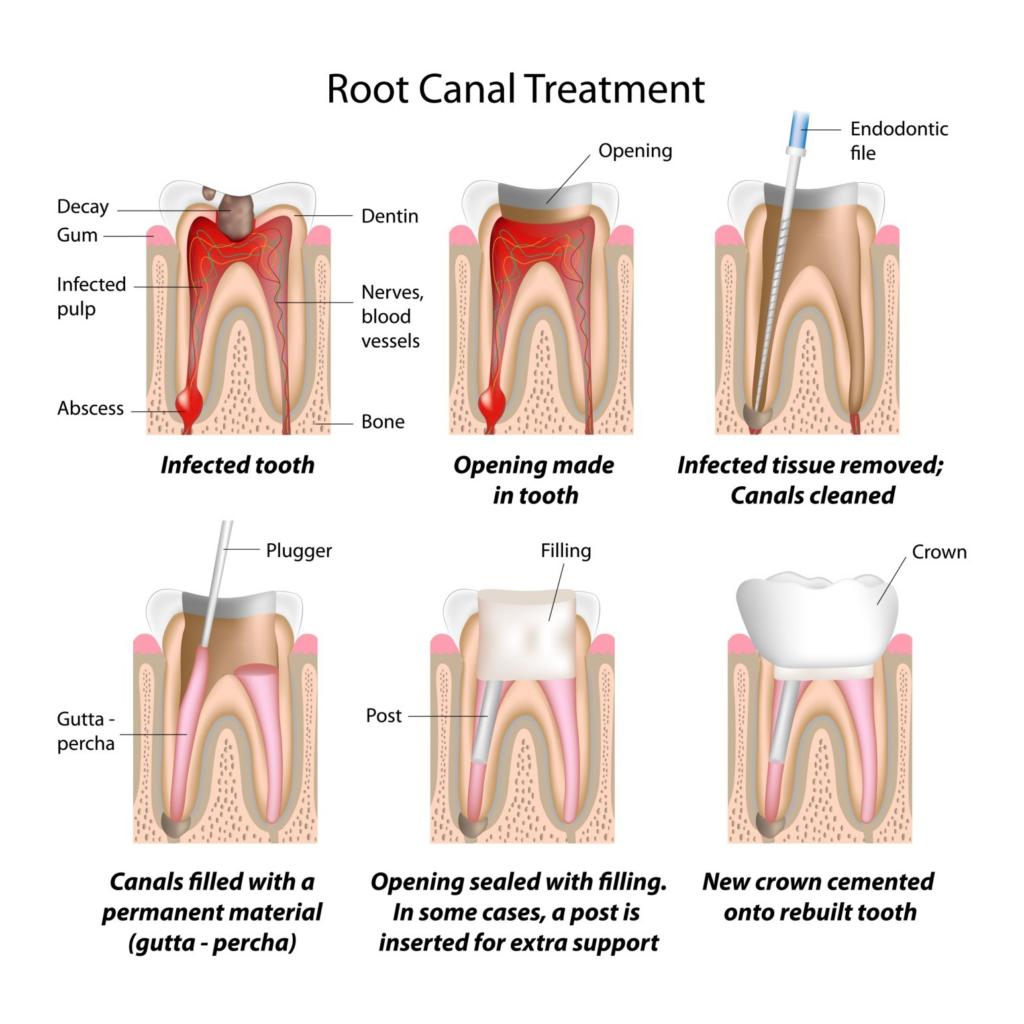
Root canal treatment is a dental procedure required when the dental pulp, which contains the tooth’s blood vessels and nerves, becomes severely inflamed or infected. The main goals of treatment are to eliminate the infection causing the pain and preserve the natural tooth without extraction. The procedure generally consists of four main steps:
1. Examination, Diagnosis, and Preparation
The dentist will begin by taking an X-ray to examine the shape of the root canals and check for infection in the surrounding bone. Local anaesthesia will then be administered to numb the tooth and the surrounding area before treatment begins.
- Makes the entire treatment process comfortable and pain-free
- Helps the dentist plan the treatment with greater precision
- Helps the dentist plan the treatment with greater precision
2. Removal of Infected Tissue
Once the anaesthetic has taken full effect, the dentist will create a small opening in the tooth to remove all inflamed, infected, or dead pulp tissue. Small specialised instruments are then used to carefully clean and disinfect the inside of each root canal.
- Directly removes the source of tooth pain and infection
- Helps prevent bacteria from spreading to the jawbone
- Tooth pain subsides once the infection has been completely removed
3. Root Canal Filling
After the root canals have been thoroughly cleaned and disinfected, they are filled with a rubber-like material called gutta-percha. The canals are then sealed tightly to prevent bacteria from re-entering and causing another infection.
- Helps prevent reinfection in the future
- Completely seals the space inside the root canals
- Creates a stable internal foundation for the next stage of tooth restoration
4. Tooth Restoration
A tooth that has undergone root canal treatment no longer receives nourishment from the pulp tissue, which can make it more brittle and susceptible to fracture than a healthy tooth. The final and essential step is therefore to restore the tooth’s strength, function, and appearance. In most cases, this involves placing a dental post and crown.
- Protects the weakened tooth from cracking or further damage
- Restores the tooth’s natural shape, colour, and appearance
- Allows the tooth to function efficiently for biting and chewing again