

THE PERMANENT
SMILE SOLUTION
การสูญเสียฟันแท้
ไม่จำเป็นต้องหมายถึงการสูญเสียความมั่นใจ
THE PERMANENT
SMILE SOLUTION
การสูญเสียฟันแท้
ไม่จำเป็นต้องหมายถึงการสูญเสียความมั่นใจ

Restore Your Confident Smile With Dental Implants
Losing a tooth — for any reason — can affect both function and confidence. Dental implants offer a long-lasting solution by replacing the missing tooth completely, from root to crown. The result is a strong, durable, and natural-looking tooth that lets you chew comfortably and smile confidently again.
5 Signs a Dental Implant Might Be Right for You
- Missing one or more teeth
- Don’t want to damage adjacent teeth for a bridge
- Uncomfortable with removable dentures
- Have strong and sufficient jawbone to support an implant
- Want the most natural-looking and functional tooth replacement
Root Canal Treatment Process
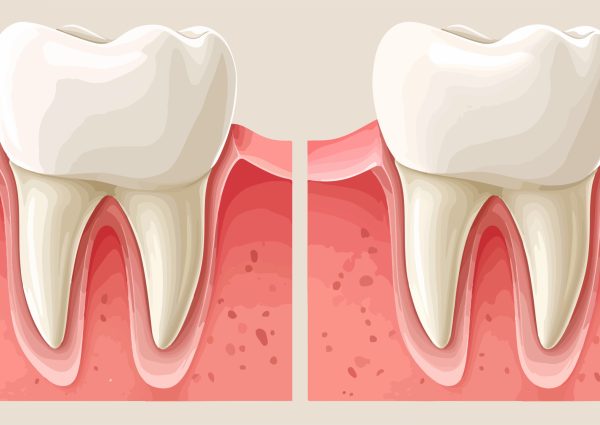
Root canal treatment is a dental procedure performed when the tooth’s pulp — which contains blood vessels and nerves — becomes infected or severely inflamed. The main goal is to eliminate the infection, relieve pain, and preserve your natural tooth without the need for extraction. The treatment generally involves four main steps:
1. Diagnosis and Preparation This is the first step where the dentist takes an X-ray to examine the shape of the root canals and check for any signs of infection in the surrounding bone. Then, a local anesthetic is administered to numb the area around the tooth being treated.
Key Features:
- ✅ Ensures the entire treatment process is painless.
- ✅ Allows the dentist to plan the treatment with precision.
- ✅ Builds patient confidence and reduces anxiety.
2. Removal of Infected Tissue After the anesthetic has fully taken effect, the dentist will create an opening in the tooth to remove all the inflamed, infected, or dead pulp tissue. Small instruments are then used to thoroughly clean and disinfect the inside of the root canals.
Key Features:
- ✅ Directly eliminates the source of pain and infection.
- ✅ Stops the spread of bacteria to the jawbone.
- ✅ The toothache will subside after all the infected tissue is removed.
3. Filling the Root Canal Once it is certain that the inside of the root canal is sterile, the dentist will fill it with a rubber-like material (Gutta-percha), replacing the original pulp. It is sealed tightly to prevent bacteria from re-entering and inhabiting the root canal.
Key Features:
- ✅ Prevents reinfection in the future.
- ✅ Completely seals the space within the root.
- ✅ Creates a stable core in preparation for the next restoration step.
4. Tooth Restoration A tooth that has undergone root canal treatment no longer has a blood supply, making the tooth structure more brittle and prone to fracture than a normal tooth. Therefore, the final and very important step is to restore the tooth to its original strength and beauty. This most often involves placing a post and/or a crown.
Key Features:
- ✅ Protects the fragile tooth from fracture and damage.
- ✅ Restores the shape, color, and beauty to match a natural tooth.
- ✅ Allows the tooth to return to full chewing efficiency.
Book a Consultation
Easy Online Booking for Your Smile Makeover.
Please fill out the form below to schedule an appointment with Karin Dental Clinic. Our staff will contact you via phone or email to confirm your appointment as soon as possible.
Q&A
Frequently Asked Questions
We’ve compiled a list of common questions to help you better understand oral healthcare and the services we offer.
Generally, dentists recommend a dental check-up and professional teeth cleaning (scaling) every 6 months. This helps to prevent potential oral health problems such as early-stage cavities or gingivitis. Early detection makes treatment easier and less expensive.
If you are experiencing a dental emergency—such as severe tooth pain, a dental accident, a cracked or broken tooth, or significant swelling—please contact the clinic immediately to schedule an urgent appointment. Kindly call us at 065-023-1444 so our staff can assess your situation and provide initial guidance before you come in for treatment.
We place the highest priority on our patients' comfort. Before beginning any procedure that could potentially cause discomfort, our dentists always administer a highly effective local anesthetic to ensure you feel no pain during the treatment. Furthermore, our team provides constant care and communication throughout your appointment to help you feel as relaxed as possible.
Our clinic offers several options for replacing missing teeth, including:
Dental Implants: This is the solution that most closely mimics natural teeth. They are strong, durable, and aesthetically pleasing.
Dental Bridges: Ideal for replacing one or two missing teeth, bridges are anchored to the adjacent natural teeth for support.
Removable Dentures: A suitable option for replacing multiple teeth or a full arch of teeth.
Our dentists will help assess your condition and recommend the most appropriate solution for you.
Creating a positive attitude is essential. It's important to speak about visiting the dentist in a positive light. For example, say something like, "The dentist will help count your teeth and make them strong and healthy." Avoid using phrases such as "it won't hurt" or "don't be afraid," as this can inadvertently suggest to a child that there is something to be anxious about. At our clinic, we provide a friendly atmosphere with dentists who understand children, all to create the best possible experience for them.
contact us
Let Us Care for Your Smile And Make You the Next Success Stor
Experience professional, heartfelt dental care with our expert team and relaxing atmosphere.
We’re here to create your dream smile and keep your teeth healthy.